The Inca Empire, officially known as the Realm of the Four Parts was the largest empire in pre-Columbian America. The administrative, political, and military center of the empire was in the city of Cusco. The Inca civilisation rose from the Peruvian highlands sometime in the early 13th century. The Portuguese explorer Aleixo Garcia was the first European to reach the Inca Empire in 1524. Later, in 1532, the Spanish began the conquest of the Inca Empire, and by 1572 the last Inca state was fully conquered.
The Inca Empire (Tahuantinsuyo) built a vast network of administrative, religious, and military centers throughout Peruvian territory.
List of the main archaeological sites of the Inca culture in Peru
1. The Navel of the World: Cusco and Surrounds
Cusco was the capital of the empire and houses the most advanced expressions of imperial architecture in carved stone.
- Machu Picchu: The iconic royal llaqta of rest and religious worship, built in the high jungle.
- Sacsayhuamán: Immense ceremonial fortress famous for its carved megaliths weighing up to 120 tons.
- Coricancha: The Temple of the Sun, the most sacred religious enclosure of the empire, upon which the Convent of Santo Domingo was built.
- Q'enqo: Ritual complex featuring an amphitheater and underground galleries carved out of living rock.
- Puka Pukara: Defensive military fortification located at the high entrance points of the imperial capital.
- Tambomachay: Known as "The Inca's Bath", a sanctuary dedicated to the worship of water.
- Tipón: A marvel of hydraulic engineering featuring 12 terraces and perfectly functional water channels.
- Inkilltambo: Ancient shrine and agricultural administrative center recovered within the Sacsayhuamán Archaeological Park.
2. The Sacred Valley of the Incas (Cusco)
A fertile agricultural environment covered with royal palaces, fortresses, and crop acclimatization centers.
- Ollantaytambo: A living citadel that served as a royal residence and defensive stronghold against the conquistadors.
- Písac: Complex situated on a mountain ridge that brings together residences, watchtowers, agricultural terraces, and an Inca cemetery.
- Moray: Agricultural laboratory composed of imposing concentric circular terraces that recreated microclimates.
- Chinchero: Royal residence of Inca Túpac Yupanqui, noted for its perfectly carved stone walls and agricultural terraces.
- Raqchi: The majestic Temple of Wiracocha, a unique monumental building with huge columns and stone foundations topped with adobe.
3. Archaeological Sites of the Classic Inca Trail
Monuments discovered along the paved route that leads directly to the Sun Gate of Machu Picchu.
- Llactapata (Patallacta): Administrative post and agricultural residential site located at the beginning of the route.
- Runkurakay: Small semicircular building that functioned as a checkpoint (tambo).
- Sayacmarca: Walled Inca citadel built on the edge of a cliff.
- Phuyupatamarca: "Town Above the Clouds," famous for its terraces, ritual fountains, and panoramic views.
- Wiñay Wayna: Impressive terraced archaeological complex with houses and channels next to an agricultural hillside.
- Intipata: Extensive system of vertical terraces used for the mass cultivation of food supplies.
4. The Resistance and the High Jungle
Archaeological centers located in the most remote areas where the Inca elite took refuge or expanded their borders.
- Choquequirao: Known as the "sacred sister of Machu Picchu," an immense and intact citadel sheltered in the Apurímac canyon.
- Vilcabamba (Espíritu Pampa): The last capital of the Inca resistance in the jungle, established after the fall of Cusco.
- Vitcos (Rosaspata): Administrative-residential center where Manco Inca ruled during his exile.
5. Administrative Centers of the Central and Northern Highlands
Strategic sites built along the Qhapaq Ñan (Inca Trail) to control provincial resources in the highlands.
- Vilcashuamán (Ayacucho): Administrative center that preserves an imposing Ushnu (ceremonial pyramid) and the Temple of the Sun beneath a Catholic church.
- Huánuco Pampa (Huánuco): One of the largest cities of the empire outside of Cusco, featuring a colossal plaza, barracks, and colcas (storehouses).
- Tarmatambo (Junín): Collection center and key logistical tambo for the transit of the Inca army.
- The Ransom Room (Cajamarca): The only visible physical vestige of Inca architecture in the city where the Inca Atahualpa was held prisoner.
- Aypate (Piura): The northernmost Inca administrative and ceremonial center in the Peruvian highlands, located near the border with Ecuador.
6. Inca Presence on the Peruvian Coast
The Incas assimilated great coastal empires (such as the Chimú or Ychsma) and built settlements with a style that fused highland stone with coastal mud brick.
- Pachacámac (Lima): Ancient pre-Hispanic coastal sanctuary and oracle where the Incas respected the local deity and built the Temple of the Sun and the Acllahuasi (House of the Chosen Women).
- Incahuasi (Cañete - Lima): Strategic military complex and detailed replica of Cusco built to subdue the local valleys.
- Puruchuco (Lima): Palace of the local curaca under Inca administration, exemplary for its architectural preservation.
- Tambo Colorado (Ica): The best-preserved adobe Inca administrative center on the coast, decorated with rare red, yellow, and white paintwork.
- Los Paredones (Nasca - Ica): Inca adobe checkpoint with a stone base to monitor commercial traffic on the southern coast.


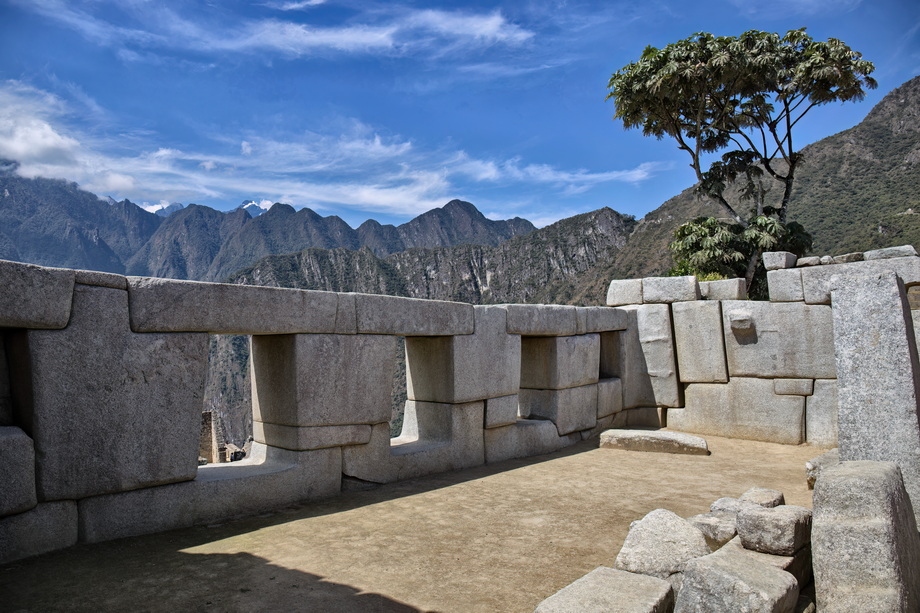
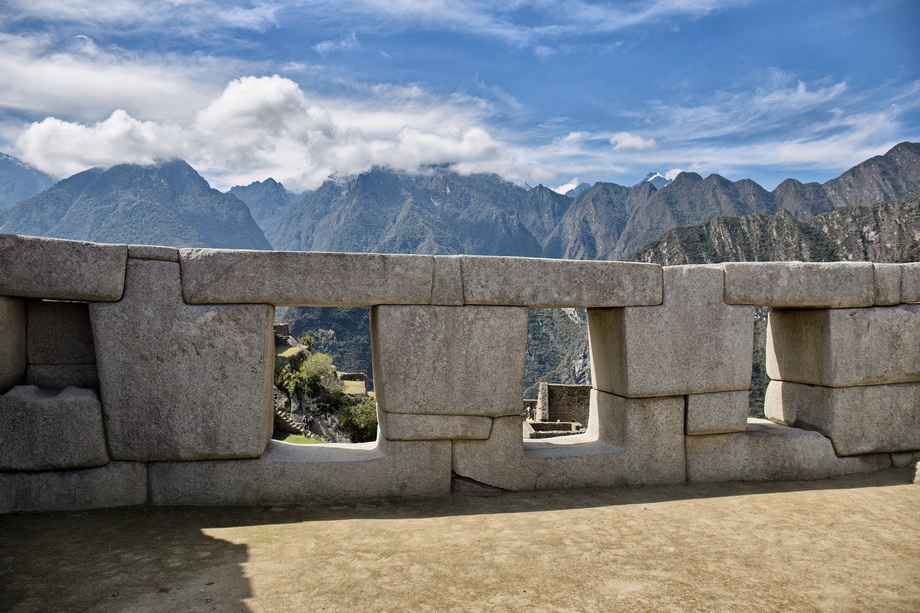
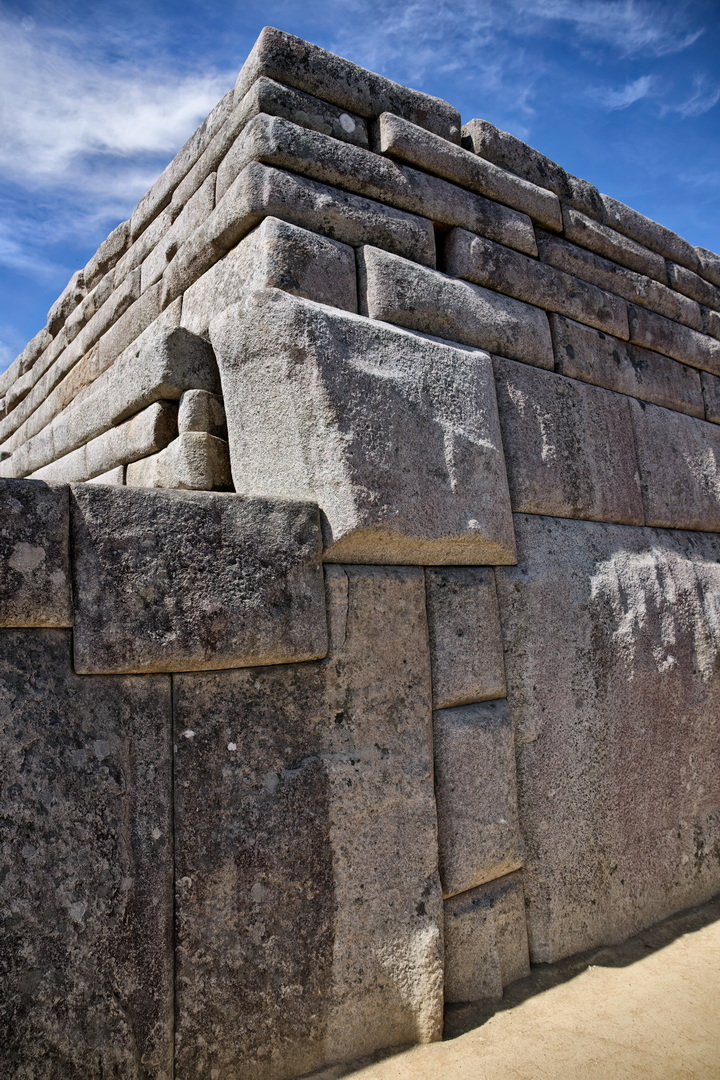


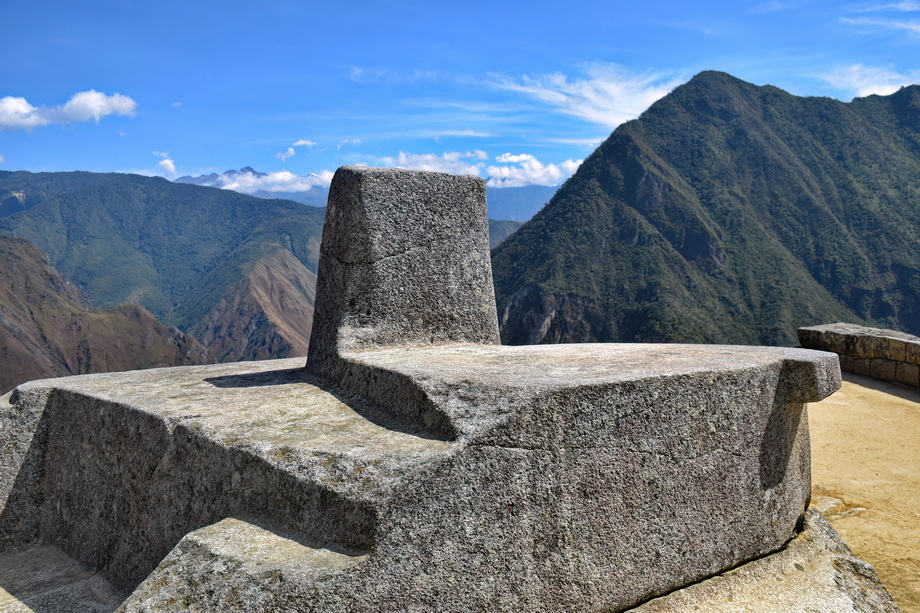


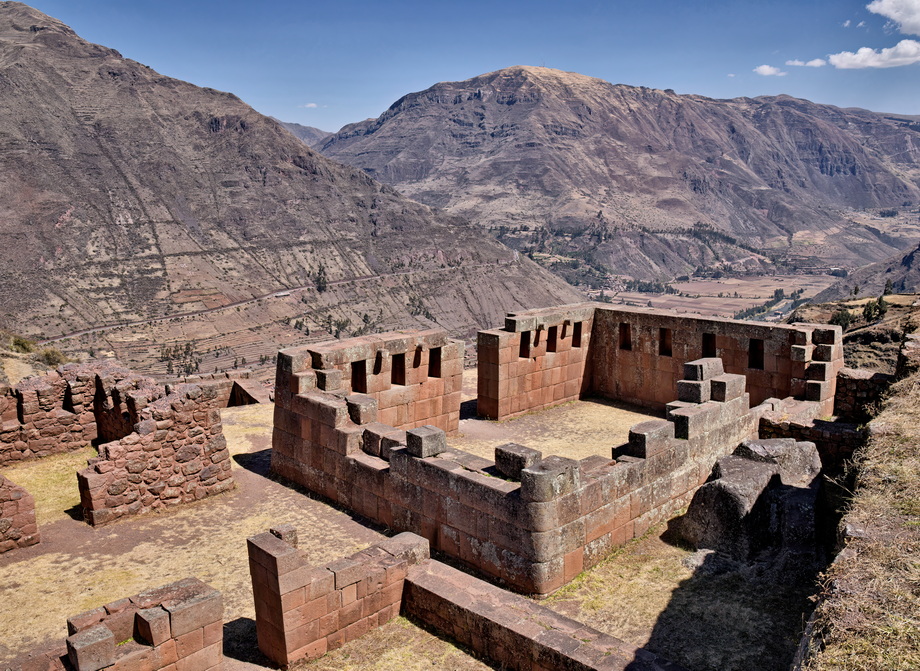

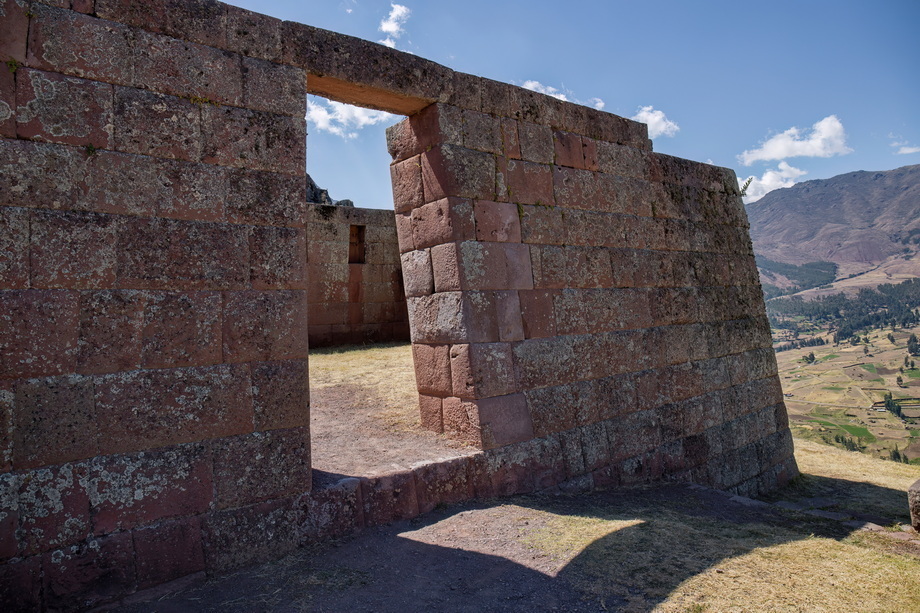


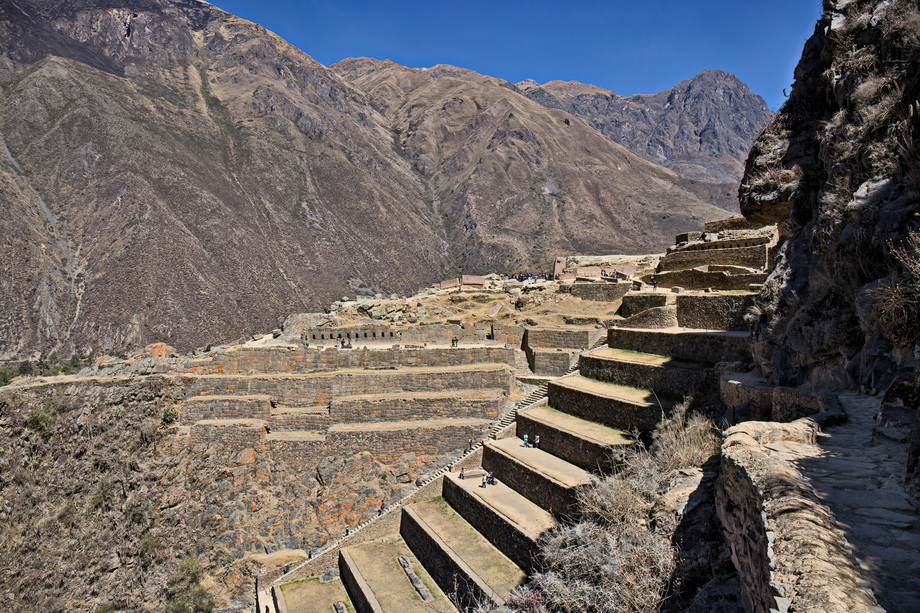


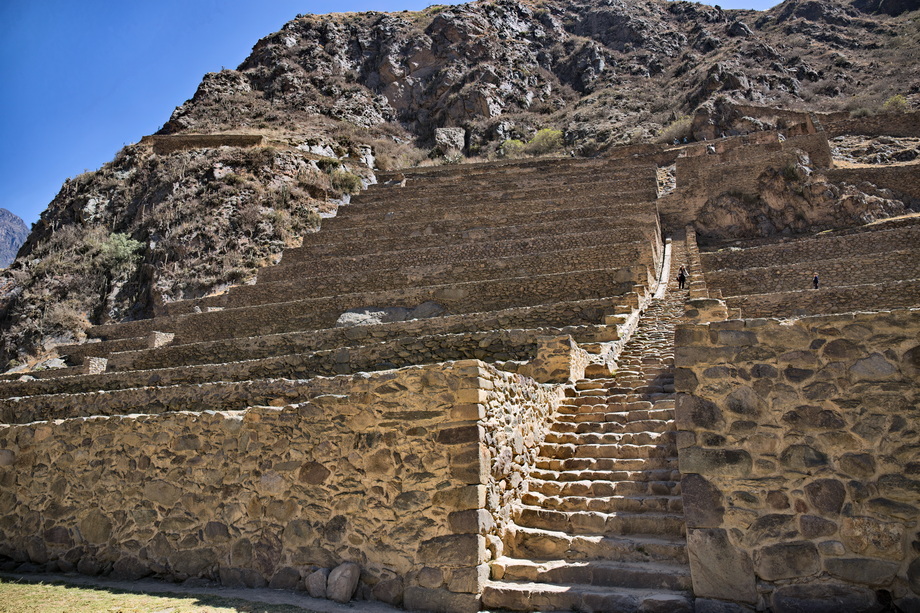

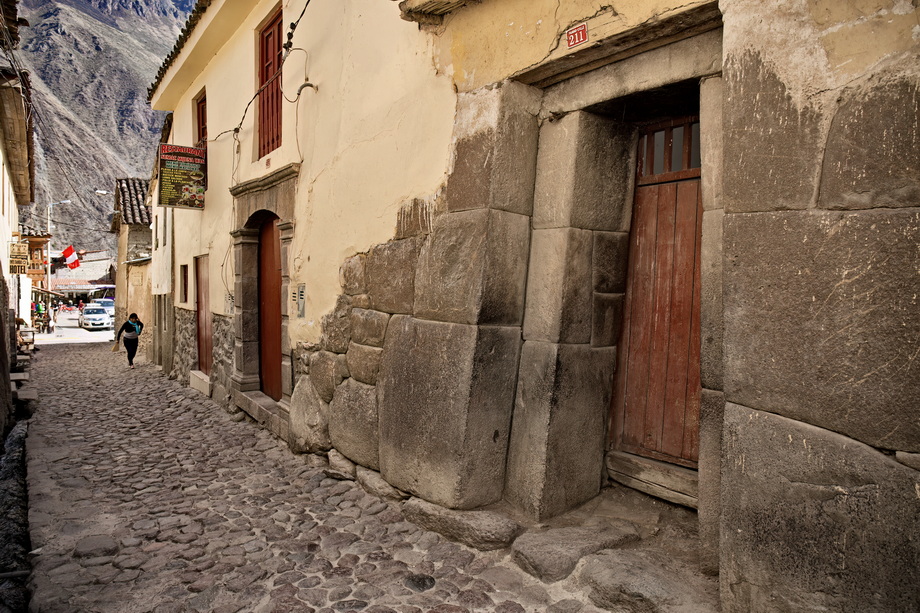
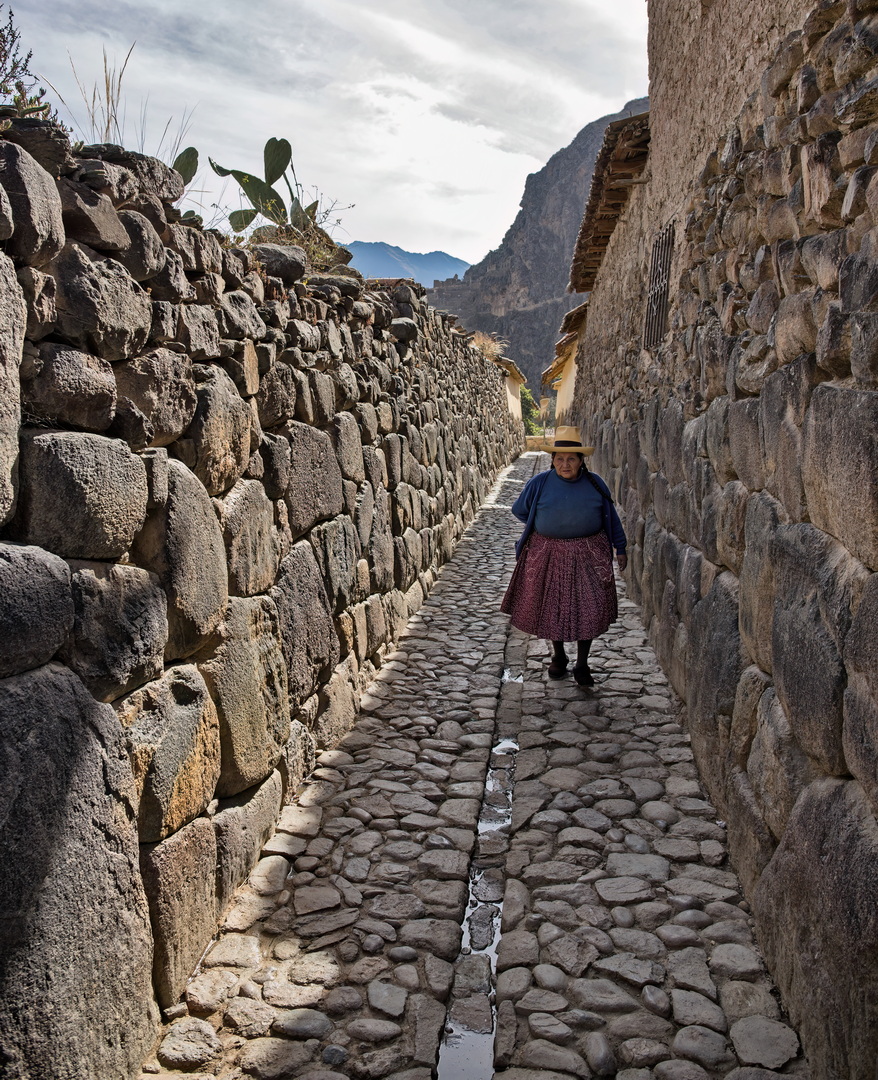


Photo Gallery: © Jordi Zaragozà Anglès / Peru - 2015

