

The Nazca culture (or Nasca) flourished between 100 BC and 800 AD in the arid southern coast of Peru, specifically within the Rio Grande de Nazca drainage basin and the Ica Valley. As successors to the Paracas culture, this civilization excelled in creating exquisite polychrome pottery and textiles.
The Nazca territory was one of the driest deserts in the world, meaning the success of their society relied heavily on advanced engineering, astronomy, and deep religious practices.
1. The Nazca and Palpa Lines and Geoglyphs
Designated as a UNESCO World Heritage Site in 1994, this complex features over 1,200 lines, geometric shapes, and animal drawings. They were created by removing the reddish pebbles from the desert surface to expose the white earth underneath. Experts believe they served as astronomical calendars and ceremonial pathways to pray for water and fertility.
2. Cahuachi
Considered the ceremonial and religious capital of the Nazca culture, this site was used as a major pilgrimage destination and burial ground. The area spans about 150 hectares and includes dozens of natural mounds topped with adobe structures, including the "Great Pyramid."
3. The Cantalloc Aqueducts
Due to the extreme dryness of the region, the Nazca people designed an advanced network of underground hydraulic engineering (known as puquios) to channel water from the Andes down to the desert. The construction stands out for its spiral-shaped access wells, which allowed people to clean and repair the channels. Many of them are still functional today.
4. Chauchilla Cemetery
This site is a pre-Inca necropolis unique to Peru. Thanks to the hyper-arid conditions of the desert, the bodies buried in sitting positions have been exceptionally well-preserved, many still displaying hair and original clothing remnants.
5. Antonini Museum
The Antonini Museum, located in the city of Nazca, is an important archaeological center that displays and preserves the findings from research conducted in Cahuachi and other Nazca sites. Inaugurated in 1999, the museum is named after the Italian archaeologist Giuseppe Antonini and houses an extensive collection of ceramics, textiles, tools, and human remains that reflect the life and culture of the Nazca.


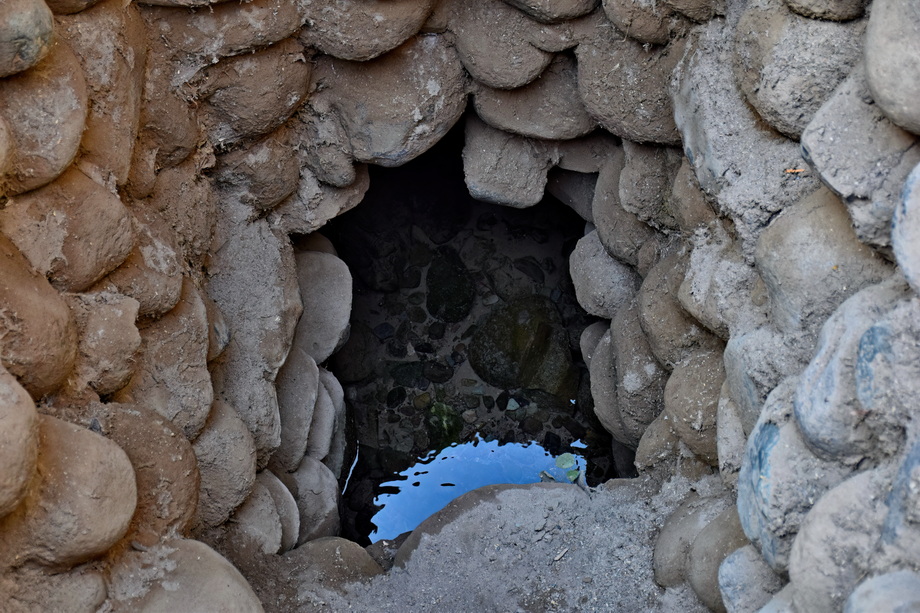




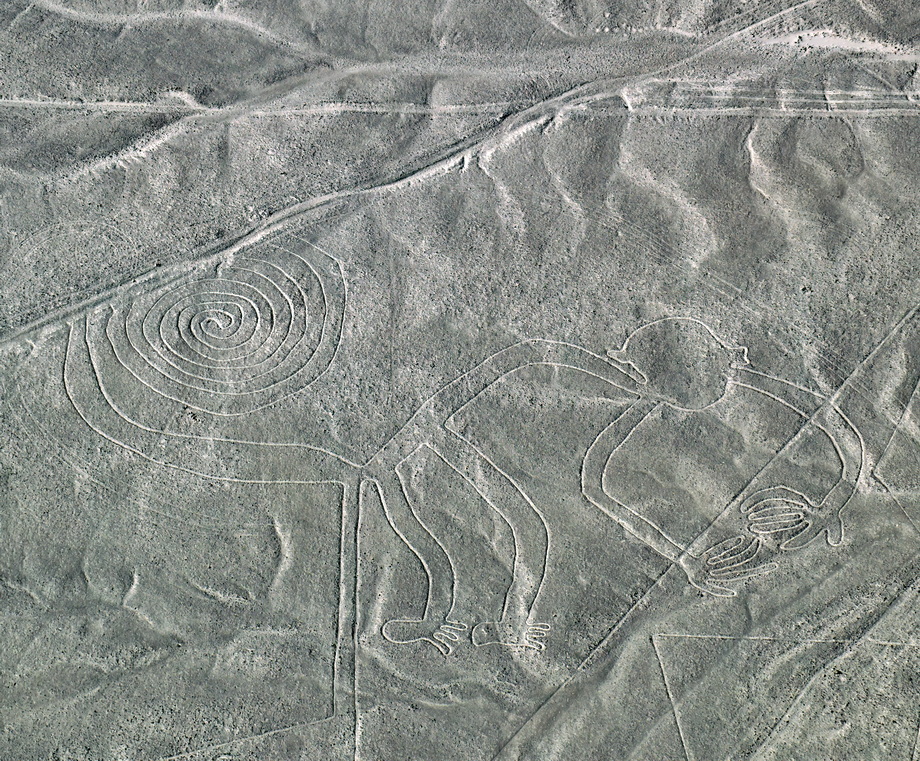

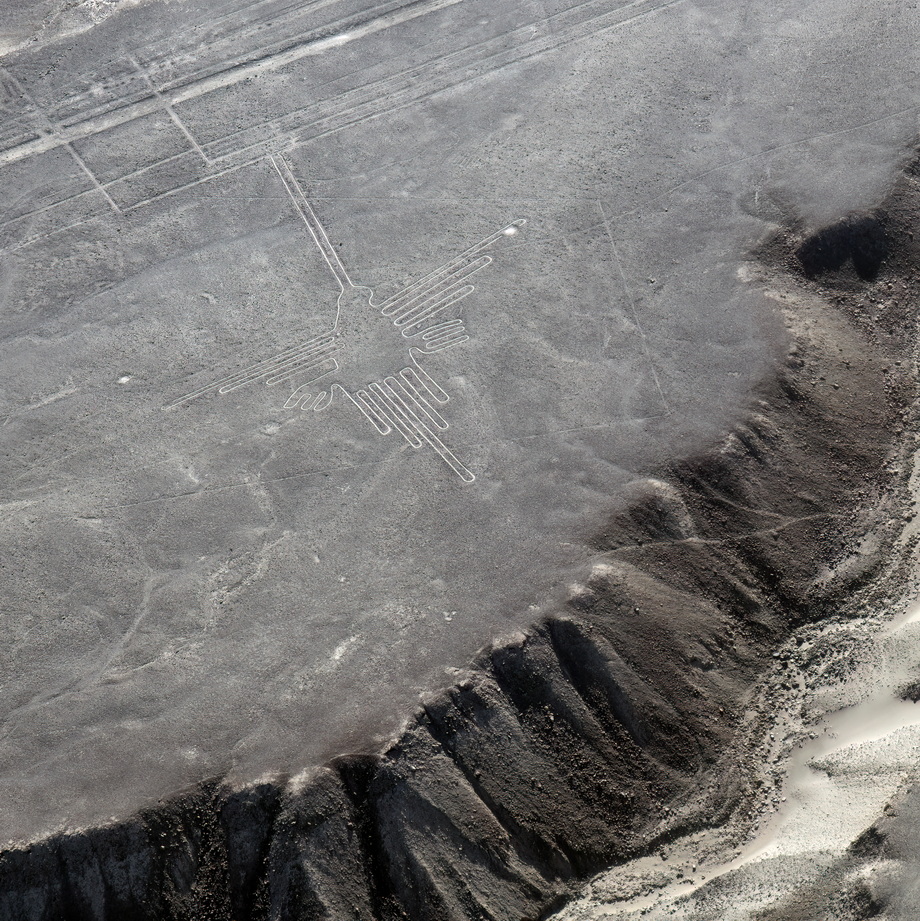


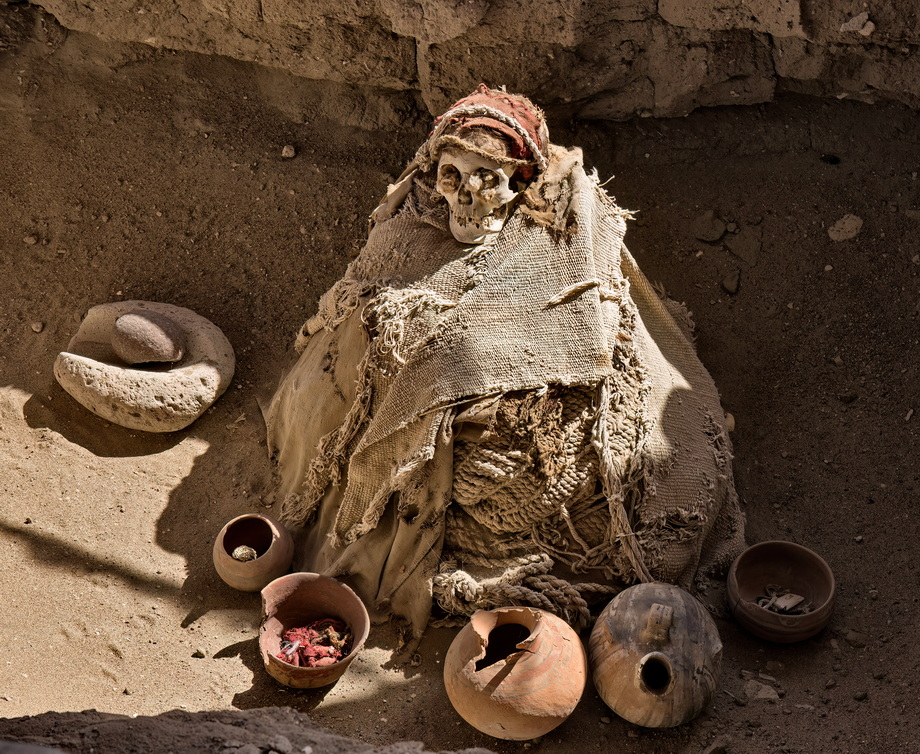

Photo Gallery: © Jordi Zaragozà Anglès / Peru / 2015