

The Huli are one of the most iconic and numerous indigenous groups in the highlands of Papua New Guinea, specifically from the Hela Province. They are world-renowned for their striking visual appearance and warrior traditions.
The most distinctive feature of the Huli is the use of ceremonial wigs made from their own human hair:
Wig Schools: Young Huli men (bachelors) live in seclusion under the tutelage of a master to grow their hair. During this period (about 18 months), they must follow a strict diet and sleep in specific positions using wooden headrests to avoid crushing the hair.
Decoration: Once the hair is "harvested" and woven into a wig, it is decorated with the feathers of Birds of Paradise, parrot feathers, and local flowers.
Ambua Yellow: They paint their faces with a bright yellow clay called ambua, which is considered sacred. They also use red clay and white pigments to create fierce patterns around the eyes.
Bird Dance: Their traditional dances, or singsings, mimic the elaborate mating rituals and hopping movements of the Bird of Paradise.
Society and Economy
Warrior Culture: Historically, the Huli have been a very proud warrior people. Disputes over land, pigs, or women were traditionally settled through ritualized warfare.
Pig Wealth: Like other Highland tribes, the pig is the ultimate measure of wealth and status. Pigs are used for dowries, death compensations, and massive communal feasts.

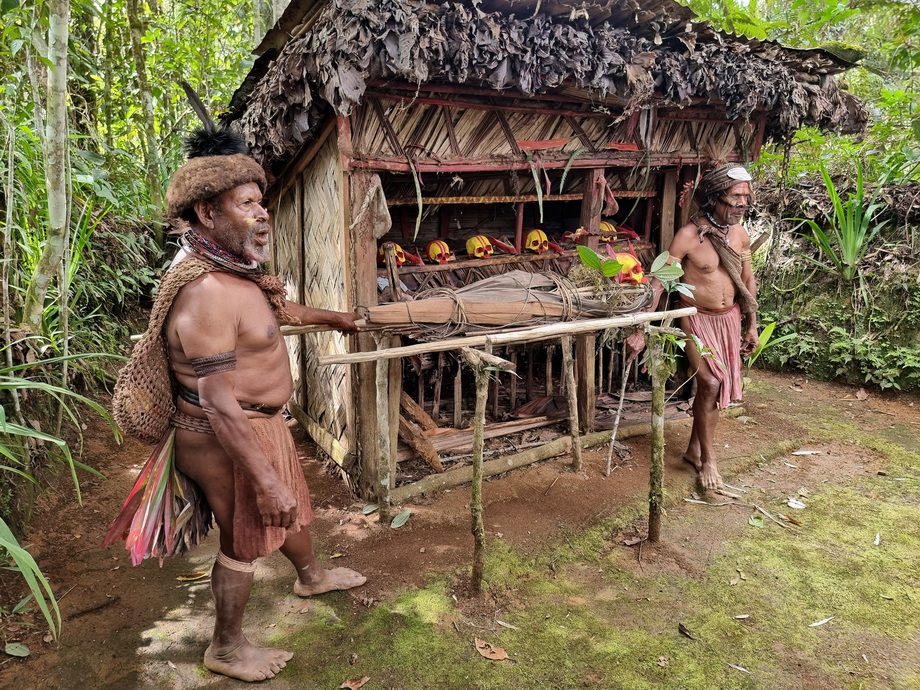


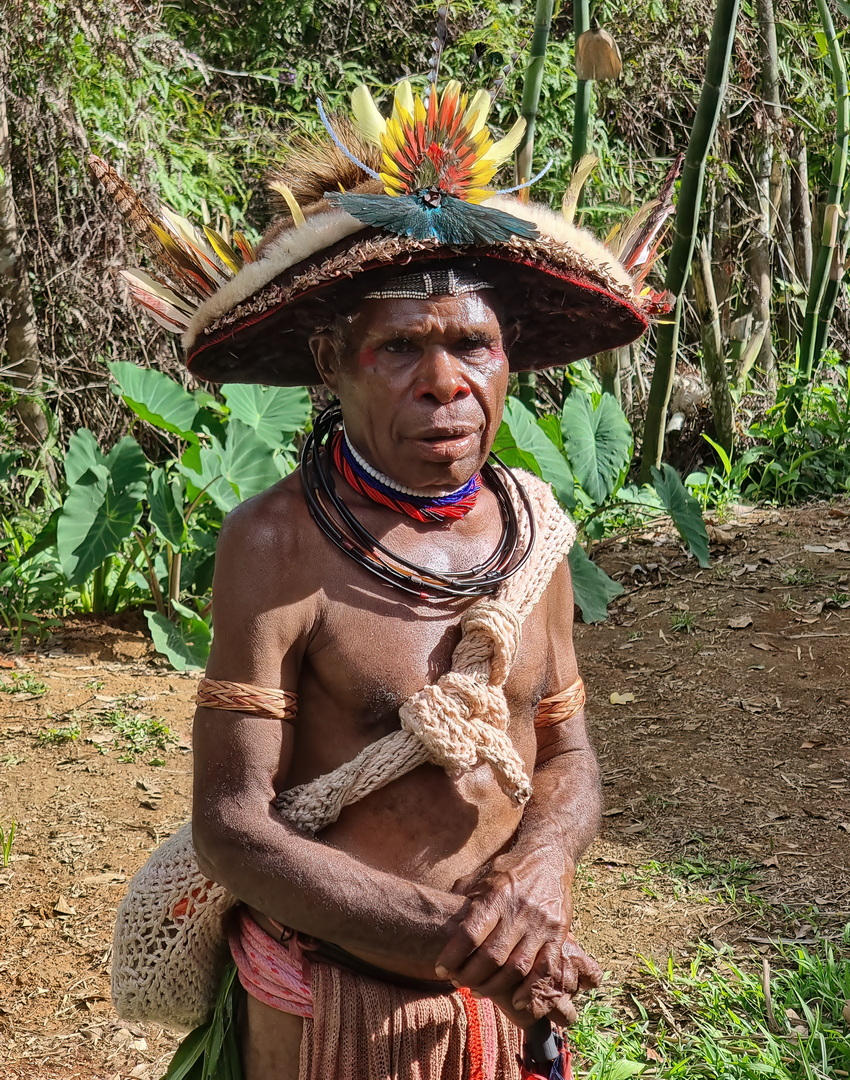
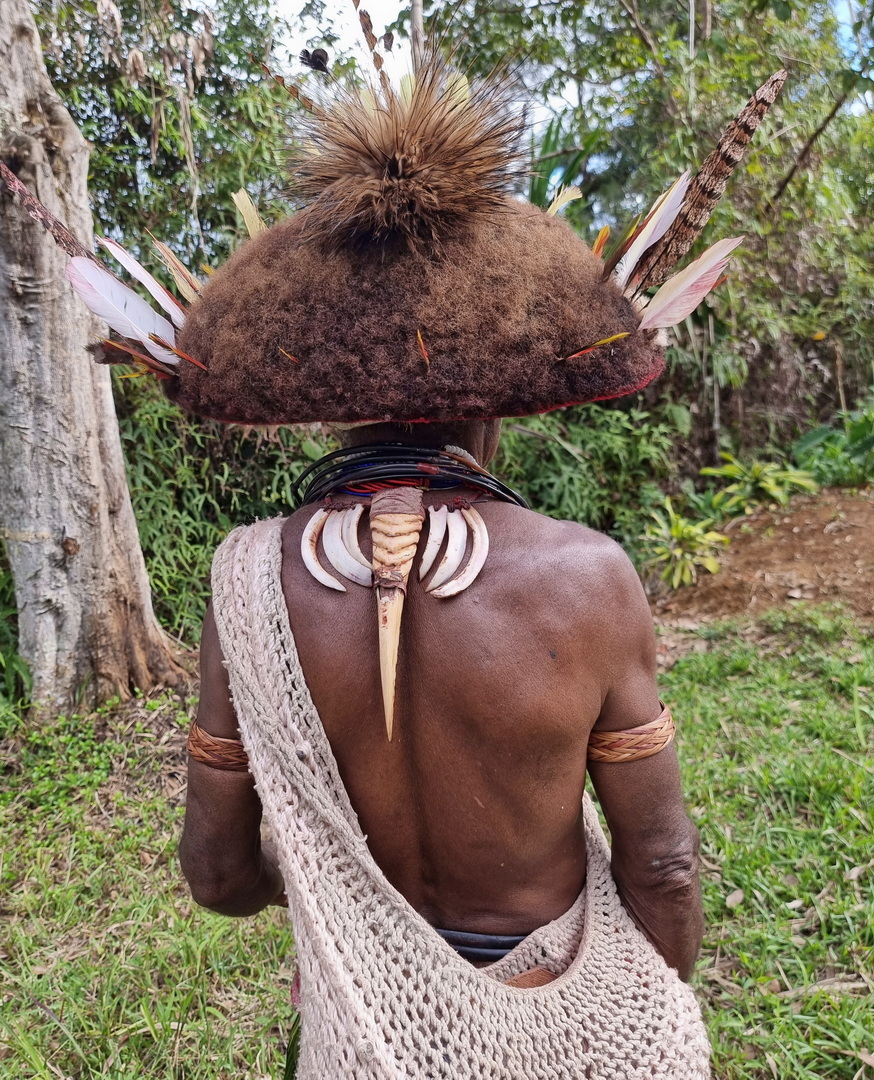


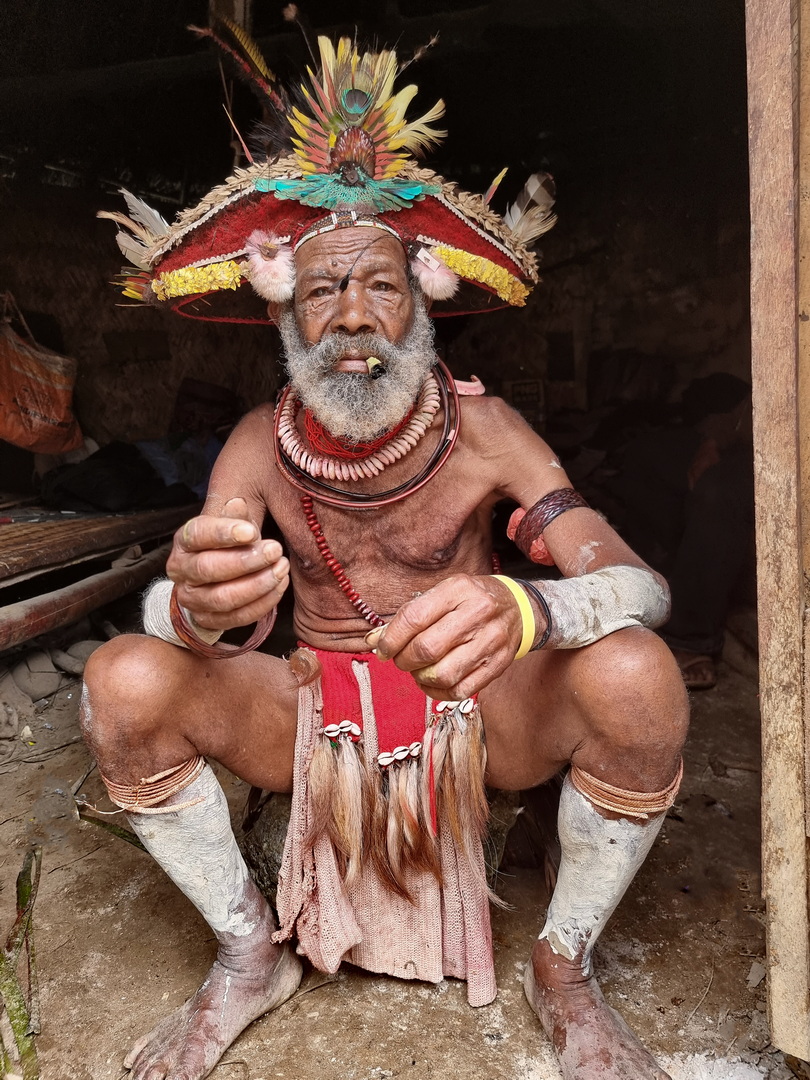


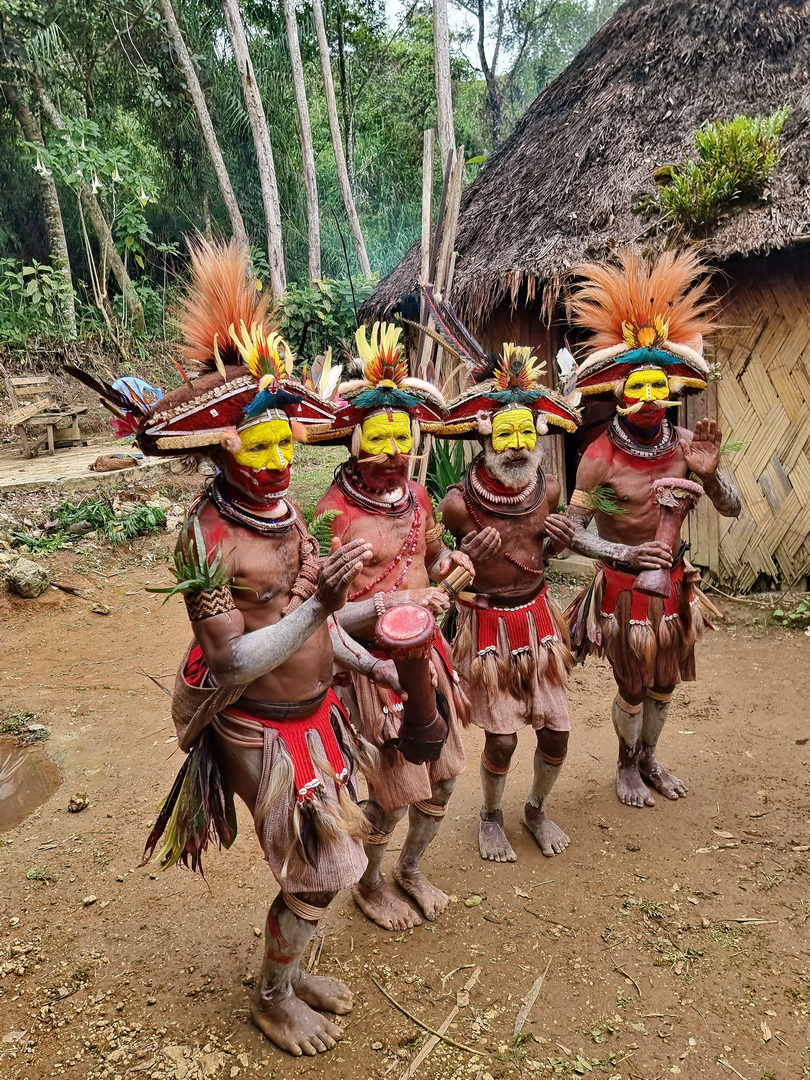


Photo Gallery: © Montse Sagarra / Papua New Guinea - 2025
 Extended info about Huli People