

The Karahaye celebration among the Diola people, particularly for women, is a significant cultural and spiritual event. It is deeply tied to the traditional religious practices and community life of the Diola people.
The Karahaye celebration is not just a religious event but also a communal celebration that brings together different generations of Diola women, fostering a sense of unity and continuity within the community. It is an opportunity for the women to reconnect with their cultural roots, remember their ancestors, and celebrate their identity as women in the Diola society.
The Karahaye tradition is found in the regions where Diola communities live: Senegal, especially in the Casamance where is the core area where Karahaye ceremonies are most visible and actively practiced, Guinea-Bissau, where many Diola communities live in the northern part of the country and The Gambia, particularly in southern regions near the Casamance border, where Diola populations maintain their traditions.
The Karahaye celebration does not follow a fixed date but the timing is ultimately determined by the spiritual leaders and community elders, who consider factors such as lunar cycles, seasonal changes, and ancestral guidance. In some cases, in the same community, it can be repeated with a time lapse of 30 years or more.
When the celebration takes place in a specific village, Diola women from different areas gather there.
The women from the area where the celebration is held are distinguished from those from outside by shaving their heads almost completely, decorating them with artistic and geometric designs using shaved lines.
The celebration lasts seven days, and each day includes dances and various rituals.
Their most significant attire, besides their hairstyles, consists of long skirts adorned with bells and rattles that accompany their rhythmic movements, following the patterns of their songs.
A group of tam-tam percussionists, in the center, sets the rhythm for their songs and movements in a long, parallel double line. The women dressed entirely in black, who form a separate group, are the leaders of the celebration and head the procession of the other groups from different Diola areas.
Only women who have had children (or abortions) can participate in the celebration.


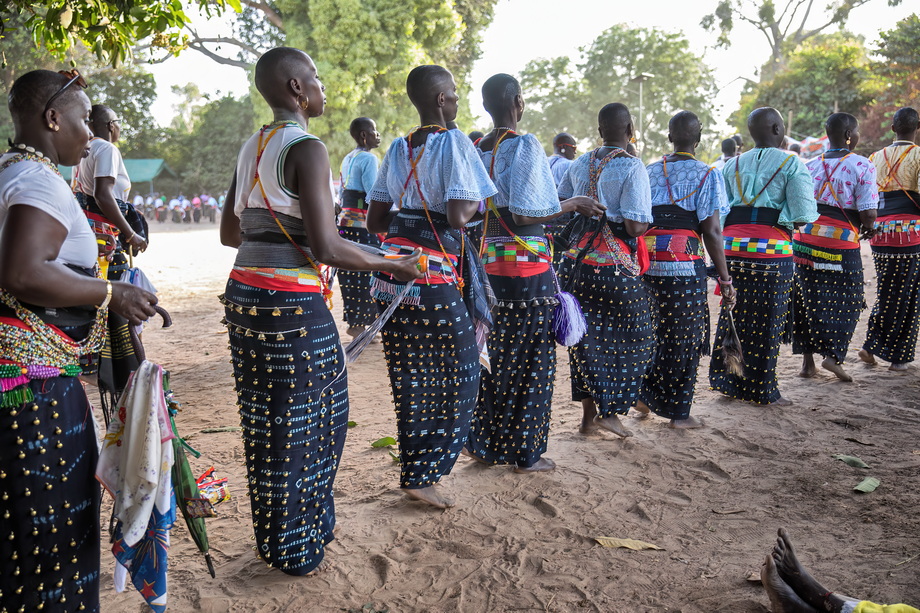

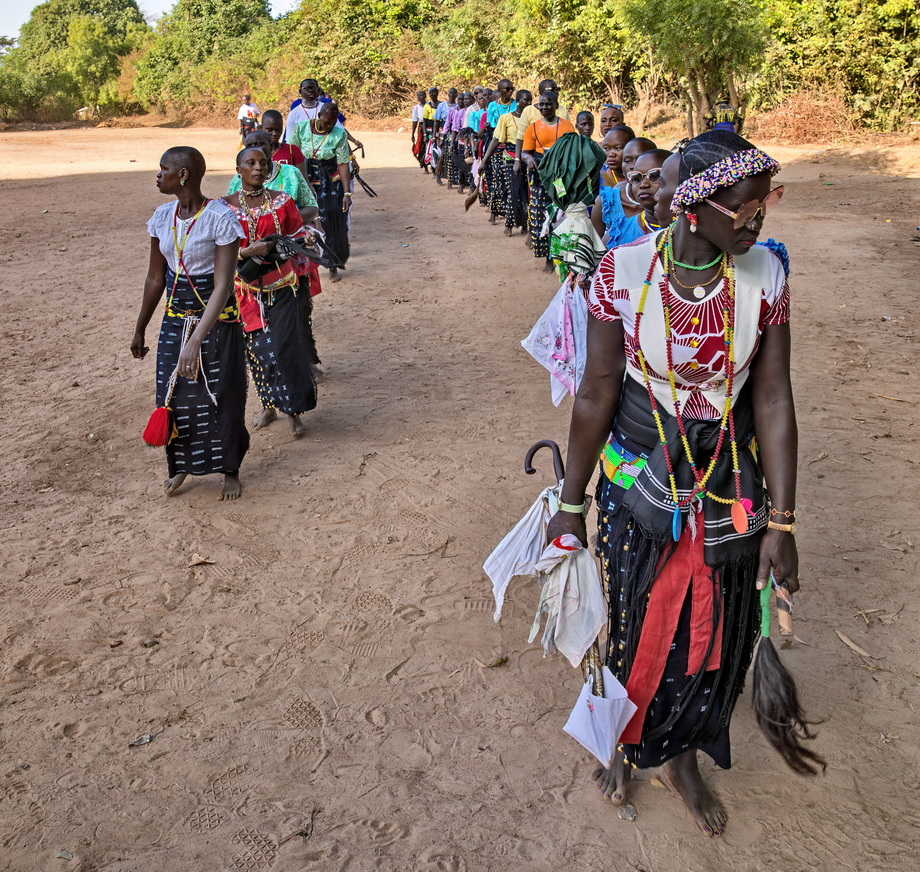


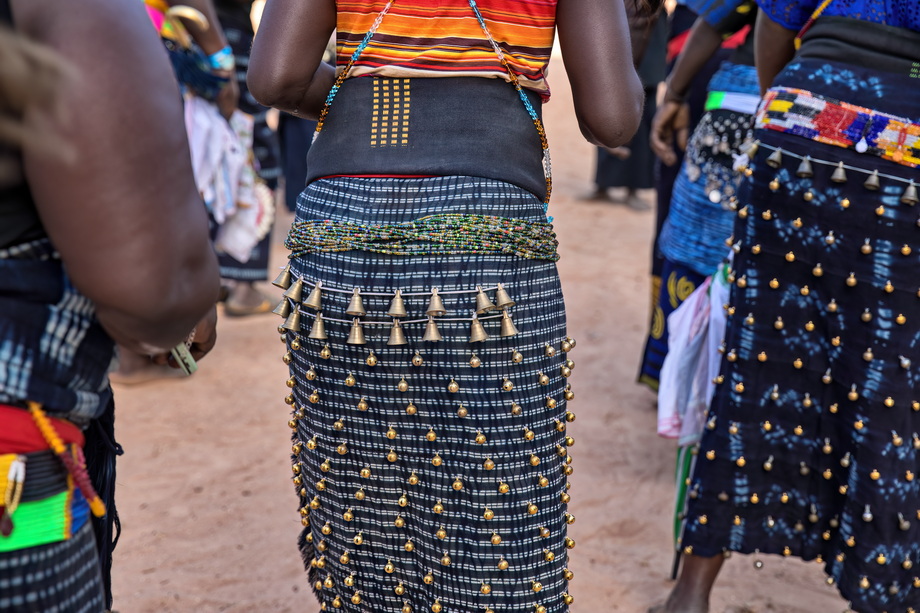


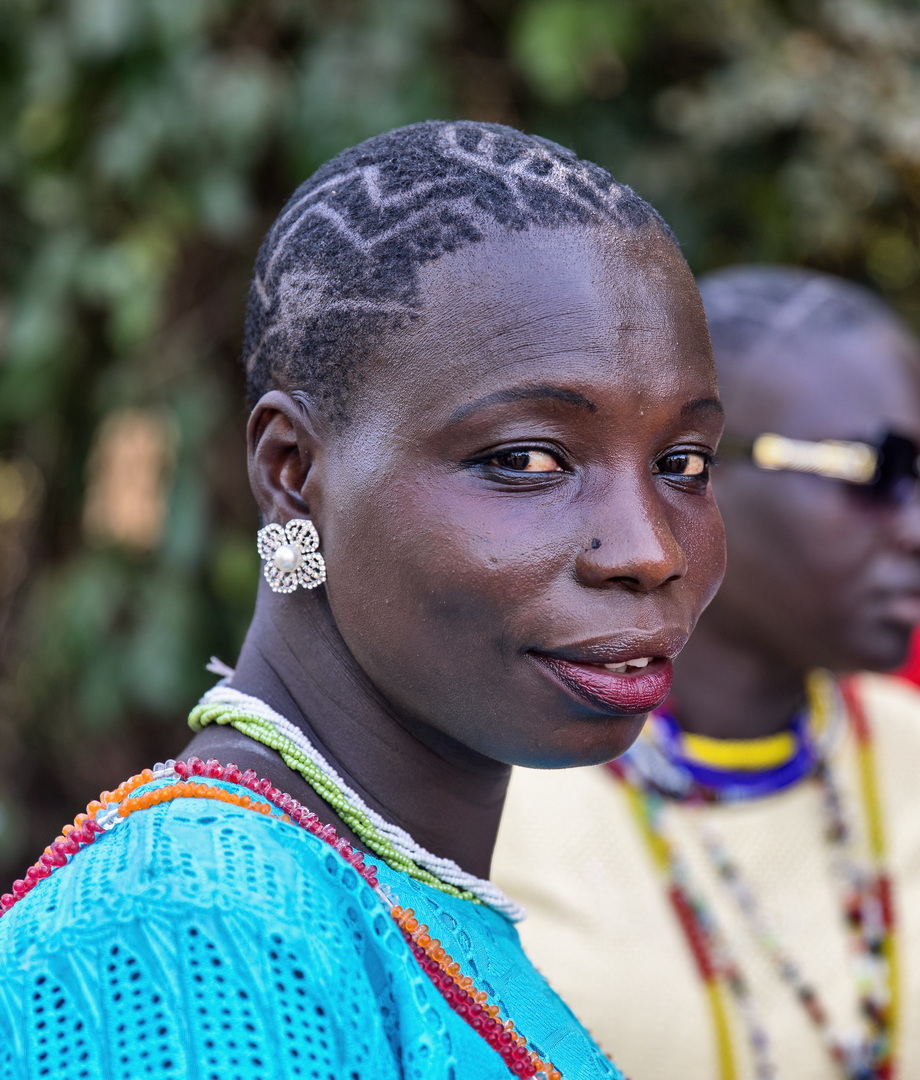


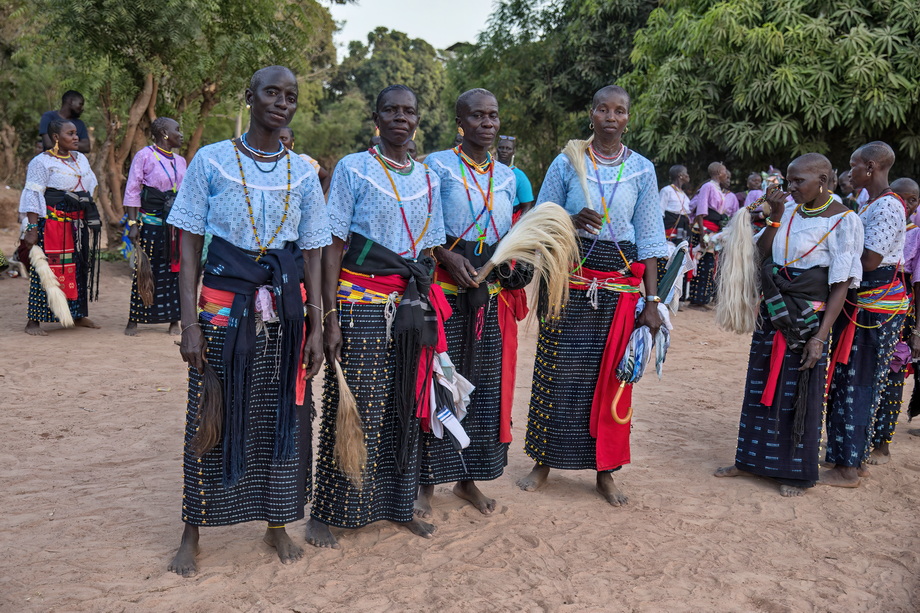
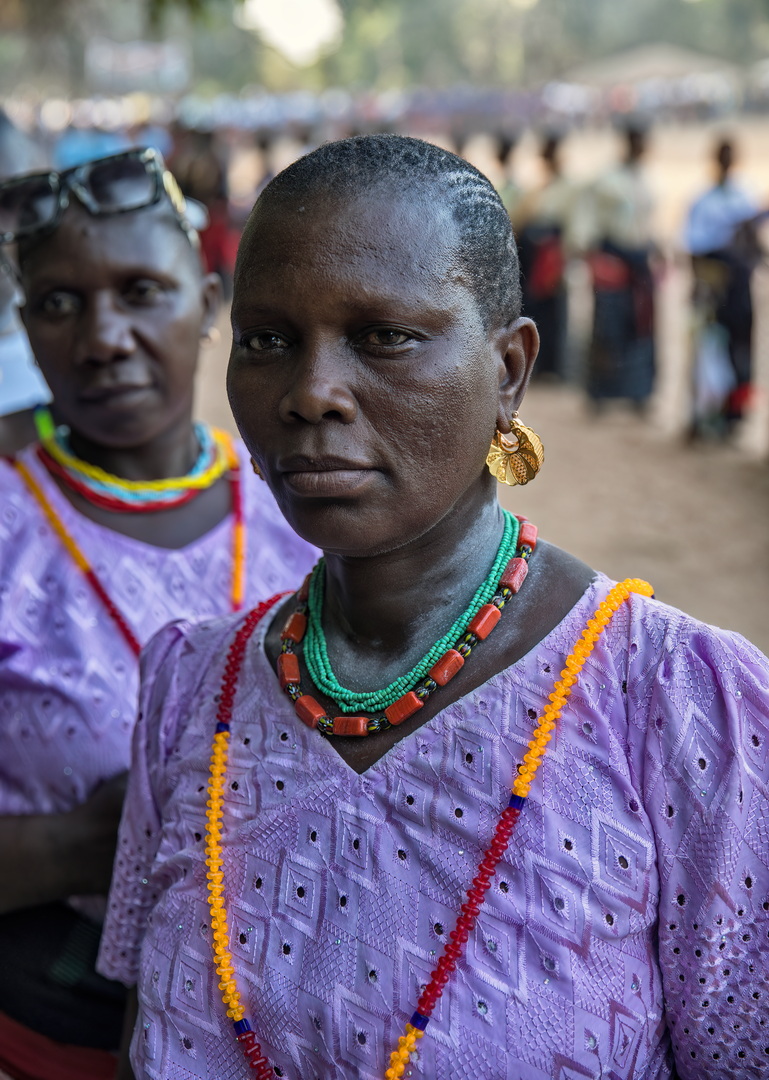


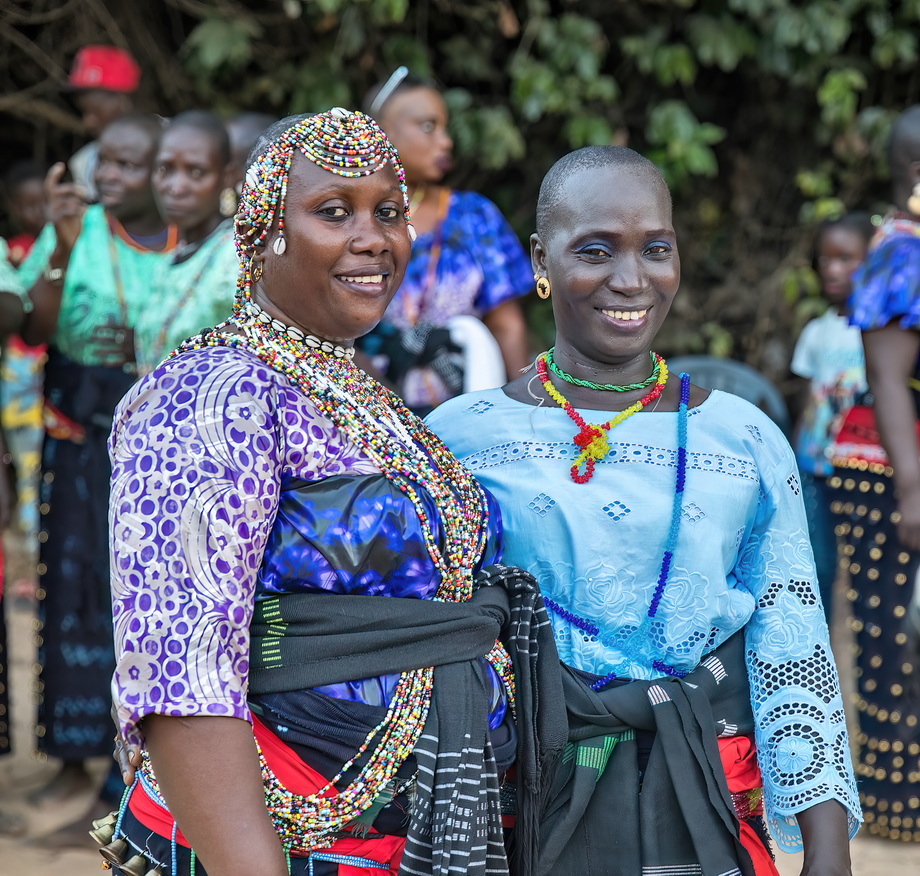
Photo Gallery: © Jordi Zaragozà Anglès / Senegal - 2026
